
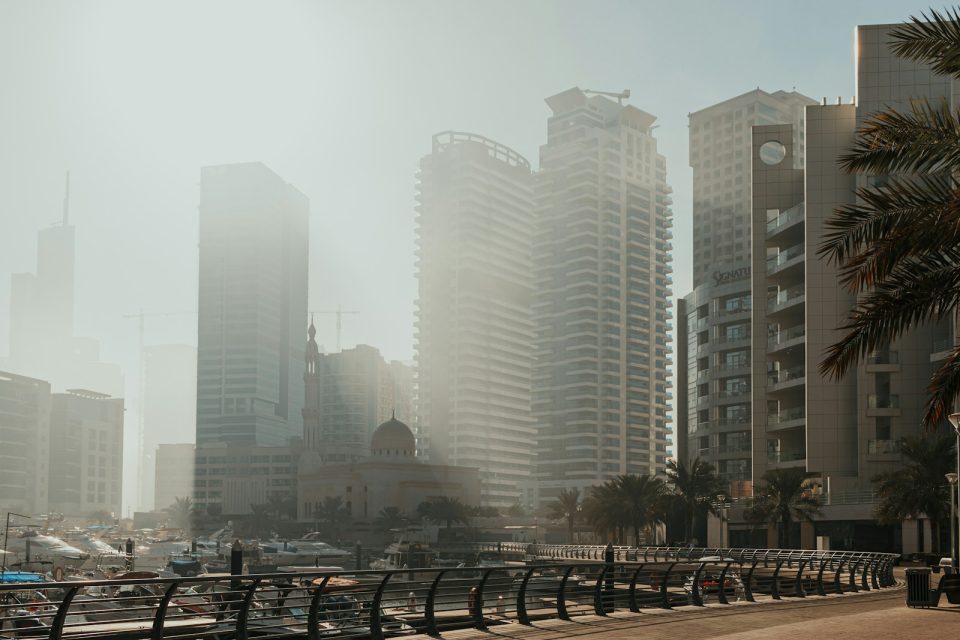
In the rapidly evolving landscape of urban development, Designing Tomorrow’s Cities: Balancing Innovation and Durability has become more critical than ever. As urban populations continue to grow at unprecedented rates, city planners, architects, and engineers face the dual challenge of incorporating cutting-edge technologies while ensuring infrastructure remains resilient for decades to come. This delicate equilibrium requires thoughtful consideration of materials, methodologies, and maintenance systems that can withstand the test of time while embracing necessary innovation.
The foundation of lasting urban infrastructure
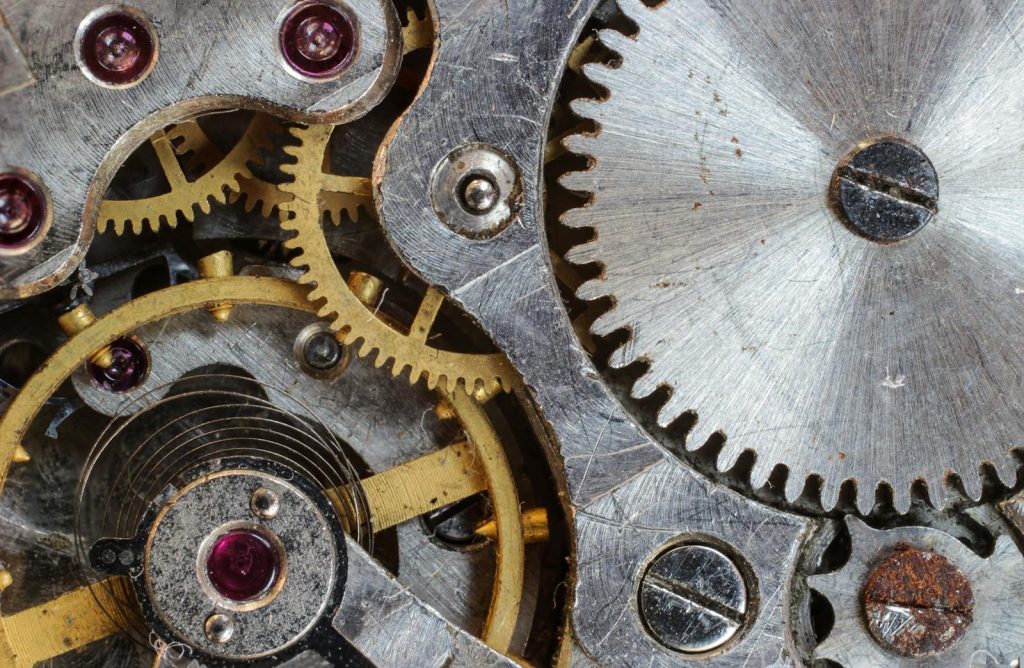
The secret to creating cities that last lies in their very foundations. Modern urban planners recognize that even the smallest components play crucial roles in overall system durability. Take industrial components like gasket sheets, for example. These seemingly minor elements prevent leakage in pipe systems, support building integrity, and ultimately contribute to infrastructure longevity. When cities invest in quality gasket sheets for their water systems, power plants, and industrial facilities, they’re making a long-term commitment to reducing maintenance costs and extending operational lifespans.
Did you know that failures in these basic components account for nearly 23% of major urban infrastructure breakdowns? This statistic highlights why paying attention to foundational elements remains vital when Designing Tomorrow’s Cities: Balancing Innovation and Durability.
Smart materials revolutionizing urban construction
Today’s urban developers have access to an unprecedented array of advanced materials that combine innovation with durability. Self-healing concrete, which uses bacteria to automatically repair cracks, represents one such breakthrough. This technology can extend the lifespan of concrete structures by up to 30 years, significantly reducing maintenance requirements while ensuring greater long-term stability.
Another example comes in the form of advanced sealing solutions like corrugated gasket technology. These specialized components provide superior sealing in challenging environments, particularly in water management systems and industrial applications throughout urban areas. The corrugated gasket design allows for greater compression recovery and resilience under temperature fluctuations – a common challenge in urban infrastructure subject to seasonal changes.
“Infrastructure isn’t just about building things that work today; it’s about creating systems that can adapt and thrive decades from now,” explains Dr. Elena Marquez, urban resilience specialist at the Metropolitan Infrastructure Institute. “When we incorporate materials like advanced corrugated gasket systems into water infrastructure, we’re looking at substantial increases in service life while reducing environmental impacts from leakage.”
Balancing technological integration with practical maintenance
How do you integrate smart technology into urban environments while ensuring everything remains serviceable for generations? This question represents perhaps the greatest challenge in Designing Tomorrow’s Cities: Balancing Innovation and Durability.
Smart cities leverage sensors, data analytics, and automated systems to optimize everything from traffic flow to energy consumption. However, these technologies must be implemented in ways that don’t compromise long-term maintenance accessibility. Cities that embed technology too deeply into infrastructure often discover the painful reality of replacement costs when systems become obsolete.
A practical approach involves creating modular systems where technological components can be updated without disrupting fundamental infrastructure. Consider smart water management systems that use external sensors and replaceable monitoring units connected to traditional pipelines protected by durable gasket sheets. This arrangement allows for technological updates without compromising the water system’s physical integrity.
Climate resilience as the ultimate durability test
Perhaps no factor tests urban durability more than climate change. Rising temperatures, extreme weather events, and changing precipitation patterns create unprecedented stresses on city infrastructure. Forward-thinking urban planners now incorporate climate resilience as a fundamental design principle rather than an afterthought.
This approach manifests in multiple ways: elevated structures in flood-prone areas, expanded storm drainage systems protected by specialized corrugated gasket seals, and heat-resistant materials for roadways and buildings. Cities like Rotterdam and Singapore have become global leaders by implementing comprehensive climate adaptation strategies that protect infrastructure investments for decades to come.
“When you’re designing infrastructure with a 75-100 year lifespan, you simply can’t ignore climate projections,” notes civil engineer James Chen. “Every component, from the largest bridge support to the smallest gasket sheet in water systems, must withstand conditions that will likely be more extreme than what we experience today.”
Economic considerations in durable design
The economic dimension of urban durability cannot be overlooked. Initially, building for longevity often requires greater upfront investment – higher-quality materials, redundant systems, and comprehensive planning all contribute to higher initial costs. However, the long-term economic benefits typically outweigh these investments.
Research from the Urban Economics Institute indicates that every dollar invested in infrastructure durability saves approximately $4-6 in maintenance, repair, and replacement costs over a 30-year period. These savings come from reduced emergency repairs, lower regular maintenance requirements, and extended replacement intervals. Even small components like specialized corrugated gasket technology in water and industrial systems contribute significantly to these savings by preventing costly leaks and system failures.
Human-centered durability for functional cities
Ultimately, durability must serve people. Cities exist for human inhabitants, and longevity must enhance quality of life rather than simply persisting for its own sake. This human-centered approach influences how we think about Designing Tomorrow’s Cities: Balancing Innovation and Durability.
Truly durable cities maintain flexibility to adapt to changing social needs while providing consistent core services. Infrastructure that accommodates evolving transportation preferences, communication technologies, and energy sources demonstrates true resilience. This adaptability often depends on thoughtful initial design that anticipates change without knowing exactly what form it will take.
The path forward in urban design lies in finding harmony between cutting-edge innovation and time-tested durability principles. By focusing on quality fundamental components from foundation materials to essential elements like gasket sheets and corrugated gasket systems, while embracing adaptable technological integration, tomorrow’s cities can provide sustainable homes for growing urban populations for generations to come.
