
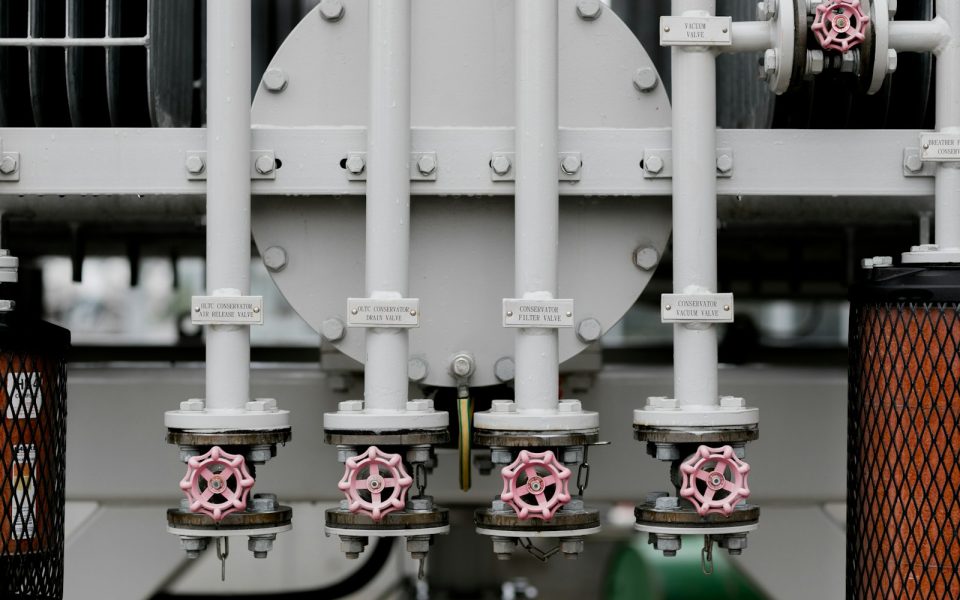
Manufacturing facilities depend on complex networks of pipes, valves, and connections to transport liquids and gases throughout their operations. Understanding fluid system integrity in manufacturing plants is essential for maintaining productivity, ensuring worker safety, and preventing costly downtime. When these systems fail, the consequences can range from minor leaks to catastrophic equipment damage or environmental incidents. The difference between smooth operations and emergency shutdowns often comes down to how well engineers and maintenance teams understand and maintain their fluid handling systems.
The foundation of leak-free operations
Every fluid system relies on proper sealing at connection points to maintain pressure and prevent leakage. The quality of seals between flanges, pipes, and equipment directly impacts system reliability. Industrial facilities typically use various sealing materials depending on the specific application, temperature range, and chemical compatibility requirements. Gasket sheets provide versatile solutions that can be cut to custom sizes and shapes for non-standard applications. Having a reliable inventory of these gasket sheets allows maintenance teams to quickly adapt to diverse mechanical requirements. These materials come in different thicknesses and compositions, allowing maintenance teams to select the appropriate specification for each unique connection. A single failed seal can lead to product contamination, loss of expensive process fluids, or hazardous exposure situations that shut down entire production lines.
Chemical compatibility and material selection
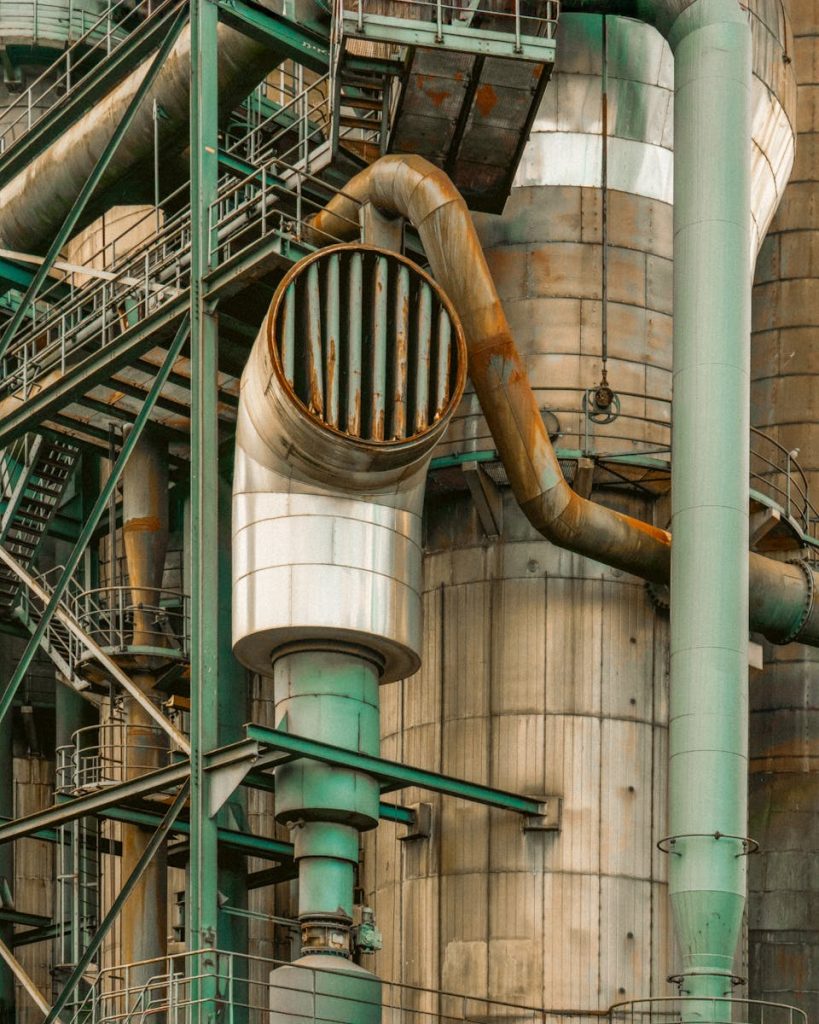
Choosing the right sealing material requires understanding the chemicals flowing through your systems. Aggressive acids, caustic bases, organic solvents, and high-purity pharmaceutical ingredients each demand specific material properties. PTFE gaskets offer exceptional chemical resistance across a broad spectrum of substances, making them particularly valuable in chemical processing environments. Temperature extremes present additional challenges, as materials that perform well at ambient conditions may fail when exposed to cryogenic liquids or superheated steam. Engineers must consult chemical compatibility charts and consider factors like permeation rates, swelling characteristics, and thermal cycling effects. The consequences of incompatible material selection include premature gasket failure, contamination of process streams, and unexpected system failures during critical production runs.
Pressure ratings and system design
Fluid systems operate across vastly different pressure ranges, from vacuum applications to systems exceeding 10,000 psi. Each pressure class requires appropriate flange ratings, bolt specifications, and sealing strategies. Higher pressures generate greater forces trying to separate flanged connections, which means gaskets must withstand these loads without extruding or creeping over time. System designers calculate the required bolt load to compress gaskets adequately while avoiding over-tightening that can damage sealing surfaces. Industry standards like ASME B16.5 provide guidance on flange dimensions and pressure-temperature ratings for various piping classes. Understanding these specifications helps maintenance teams identify potential weak points in existing systems and specify appropriate upgrades when process conditions change.
Temperature effects on sealing systems
Thermal expansion and contraction continuously stress fluid system connections. A pipeline carrying hot process fluids expands significantly from its cold installation length, creating movement at every connection point. Gasket materials must accommodate this movement while maintaining sealing contact pressure throughout temperature cycles. PTFE gaskets maintain their sealing properties across temperatures ranging from -400°F to +500°F, providing reliable performance in both cryogenic and high-heat applications. Cold flow characteristics become critical in applications with frequent thermal cycling, as some materials gradually lose thickness under constant compression. Engineers specify gaskets with appropriate creep resistance for their specific operating conditions, balancing immediate sealing performance against long-term dimensional stability.
Installation practices that prevent failures
Even premium sealing materials fail when installed incorrectly. Proper surface preparation ensures gaskets seat evenly and create uniform sealing contact. Flange faces must be clean, flat, and free from scratches, corrosion, or old gasket material that could create leak paths. The surface finish matters significantly, with typical specifications calling for roughness between 125 and 250 micro-inches for optimal gasket seating. Bolt tightening sequence and torque values dramatically affect sealing performance, requiring technicians to follow star-pattern tightening procedures rather than simply going around the flange sequentially. Many facilities have implemented torque wrench calibration programs and technician training to reduce installation-related failures. Documentation of installation parameters creates valuable records for troubleshooting recurring leak problems.
Monitoring and predictive maintenance strategies
Modern manufacturing plants increasingly adopt condition monitoring technologies to detect seal degradation before catastrophic failures occur. Ultrasonic leak detection identifies small leaks that visual inspection might miss, allowing teams to schedule repairs during planned maintenance windows. Thermal imaging reveals hot spots indicating bypassing fluids or inadequate insulation around connections. Vibration analysis detects loose connections or process disturbances that stress sealing systems. How often should you inspect critical fluid system connections? Industry best practices suggest quarterly inspections for critical systems and annual reviews for less critical applications. Facilities handling hazardous materials often implement more frequent inspection schedules driven by regulatory requirements and risk assessments.
Economic impact of system integrity
Fluid system failures carry substantial costs beyond immediate repair expenses. Unplanned downtime typically costs manufacturing facilities between $10,000 and $250,000 per hour depending on facility size and production value. Lost product from leaking systems adds direct material costs, while contamination incidents may require extensive cleanup and equipment sanitization. Environmental releases trigger regulatory reporting requirements, potential fines, and remediation costs that can reach millions of dollars. Worker exposure incidents generate workers compensation claims, OSHA investigations, and potential production stoppages.
To mitigate these risks, facilities must invest in high-quality sealing inventory, ensuring that the right gasket sheets are always on hand to handle emergency repairs and routine maintenance. Conversely, facilities with robust integrity management programs report 40-60% fewer unplanned shutdowns compared to those relying purely on reactive maintenance. The return on investment for systematic gasket management and proper sealing practices typically exceeds 300% when accounting for avoided failures.
Documentation and continuous improvement
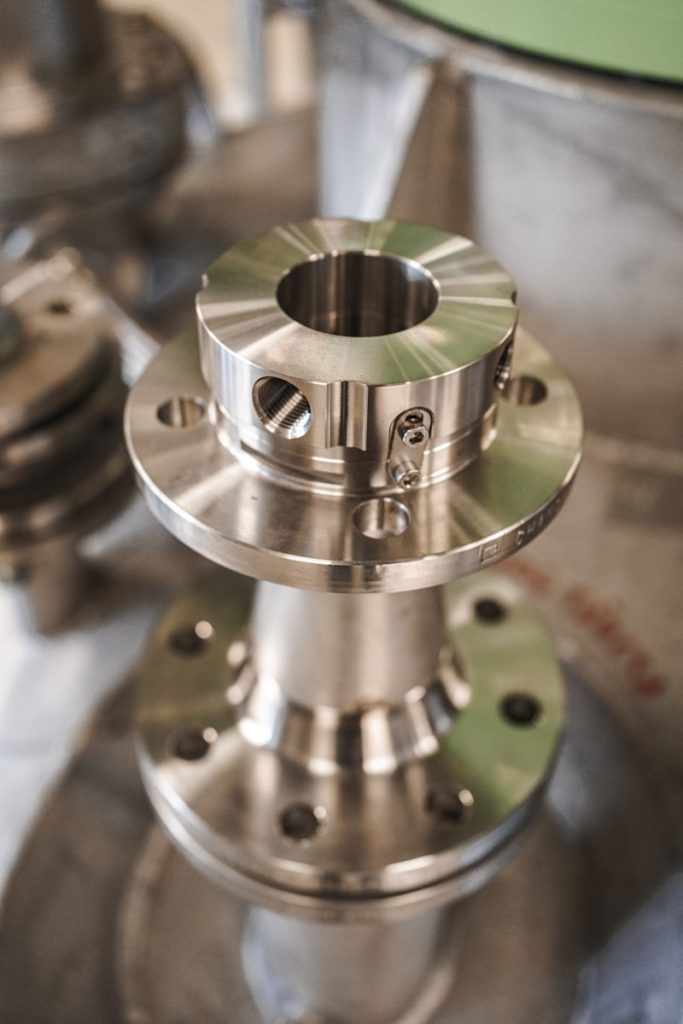
Effective fluid system integrity programs maintain detailed records of gasket specifications, installation dates, and failure incidents. This historical data reveals patterns that guide material selection improvements and identify problematic connection points requiring engineering modifications. Gasket sheets allow maintenance teams to create custom replacement gaskets on-site, reducing inventory requirements while ensuring proper fits. Failure analysis determines whether problems stem from material incompatibility, installation errors, system design flaws, or operating conditions exceeding design parameters. Root cause investigations prevent recurring failures by addressing underlying issues rather than simply replacing failed components. Facilities that implement systematic documentation and analysis reduce their overall sealing system maintenance costs by 25-35% over three-year periods.
Understanding fluid system integrity in manufacturing plants requires balancing material science, mechanical design, installation craftsmanship, and systematic monitoring. The complexity of modern manufacturing processes demands increasingly reliable fluid handling systems that maintain their integrity across years of continuous operation. By selecting appropriate materials, following proven installation practices, and implementing proactive monitoring programs, facilities achieve the reliability levels necessary for competitive manufacturing operations in today’s demanding industrial environment.
