
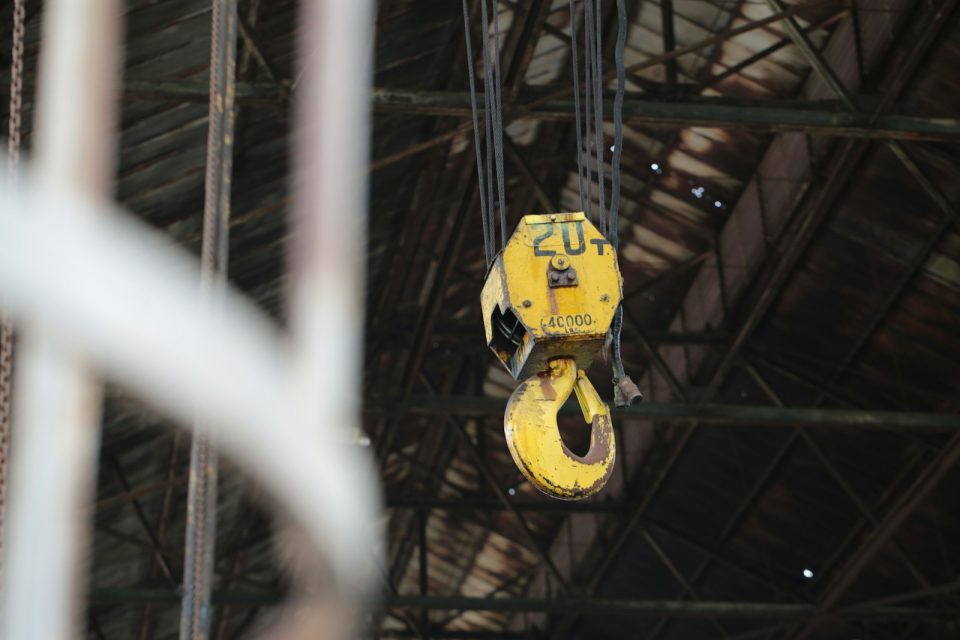
Industrial facilities depend on machinery that operates continuously under demanding conditions. Maintaining industrial equipment for peak performance and longevity is not merely about preventing breakdowns—it’s about protecting substantial capital investments and ensuring consistent production output. Companies that prioritize comprehensive maintenance programs typically achieve equipment lifespans that exceed manufacturer estimates by 30 to 50 percent. The financial impact extends beyond avoided repairs. Well-maintained equipment consumes less energy, produces fewer defective products, and requires less emergency intervention. Understanding the principles behind effective maintenance strategies allows operations managers to make informed decisions that balance immediate costs against long-term value. The most successful industrial facilities treat maintenance as a strategic function rather than a reactive necessity.
Establishing predictive maintenance schedules
Modern maintenance has evolved far beyond simply fixing what breaks. Predictive maintenance uses condition monitoring to identify potential failures before they occur. Vibration analysis detects bearing wear in rotating equipment weeks before catastrophic failure. Thermal imaging reveals hot spots in electrical connections and mechanical components operating outside normal temperature ranges. Oil analysis programs track contamination levels and wear particles that indicate internal component degradation. These diagnostic techniques allow maintenance teams to schedule interventions during planned downtime rather than responding to unexpected breakdowns. Implementing a predictive program requires initial investment in monitoring equipment and staff training, but most facilities recoup these costs within eighteen months through reduced emergency repairs and extended equipment life. The key lies in establishing baseline measurements when equipment is new and tracking changes over time.
Critical sealing systems and their maintenance
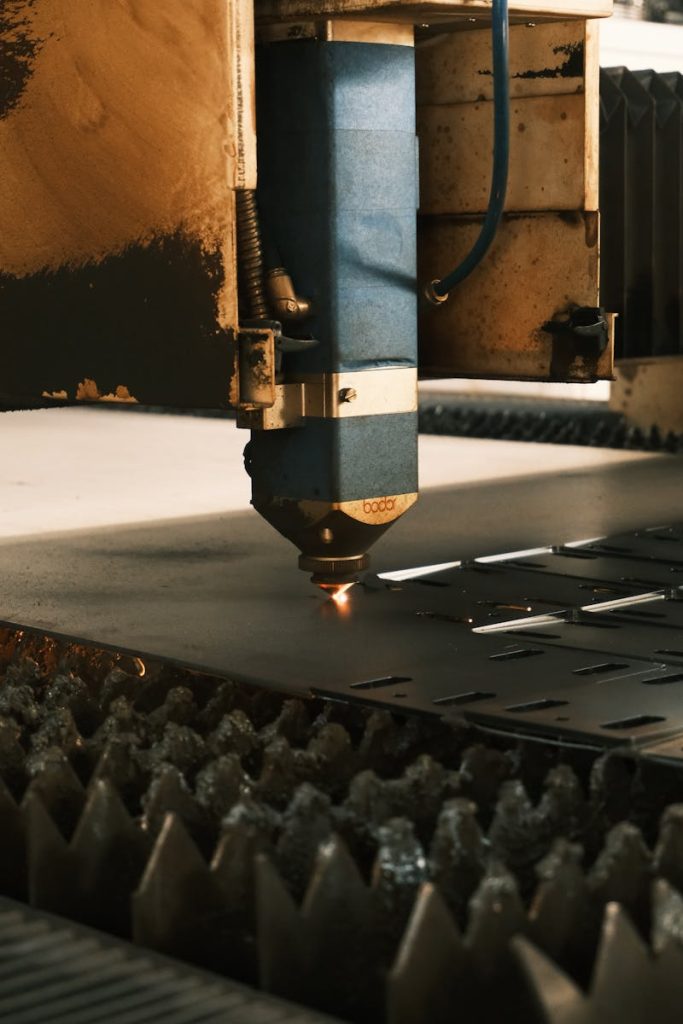
Sealing components play an essential role in equipment reliability yet often receive inadequate attention during routine inspections. Gasket sheets serve as the foundation material for custom seals in pumps, compressors, and piping systems throughout industrial facilities. These sheets come in various materials including rubber, fiber, and PTFE composites, each suited to specific temperature ranges and chemical exposures. Selecting appropriate gasket sheets for each application prevents leaks that waste product, create safety hazards, and damage surrounding components. Regular inspection of sealed joints should include checking for visible deterioration, measuring bolt tension to ensure proper compression, and monitoring for small leaks before they become significant problems. Many facilities establish replacement intervals based on operating hours or calendar time, particularly for seals exposed to corrosive chemicals or extreme temperatures. Documentation of seal failures helps identify patterns that may indicate improper installation techniques or incorrect material selection.
Heat exchanger maintenance strategies
Heat exchangers represent critical components in processes ranging from power generation to chemical manufacturing. Their efficiency directly impacts energy consumption and production capacity. Heat exchanger gaskets must withstand temperature differentials, pressure cycling, and often aggressive media on both sides of the seal. Regular inspection intervals for heat exchanger gaskets should consider the operating severity, with high-temperature applications requiring more frequent attention than moderate-duty services. Fouling on heat transfer surfaces reduces efficiency and increases pressure drop, forcing pumps to work harder and consume more energy. Establishing cleaning schedules based on performance monitoring prevents excessive buildup. Some facilities monitor inlet and outlet temperatures along with pressure differentials to determine optimal cleaning intervals. Tube bundle inspection during shutdowns identifies erosion, corrosion, and mechanical damage before tubes fail and contaminate process streams. The cost of a planned heat exchanger cleaning typically represents five to ten percent of the expense associated with an unplanned failure and resulting production loss.
Lubrication programs that extend equipment life
Proper lubrication prevents 40 to 50 percent of bearing failures in industrial equipment. Establishing a comprehensive lubrication program requires more than simply adding grease at regular intervals. Each lubrication point needs the correct lubricant type, appropriate quantity, and proper frequency based on operating conditions. Over-lubrication causes as many problems as under-lubrication, generating excess heat and potentially damaging seals. Color-coded fittings and detailed route sheets help technicians apply the right product at each location. Oil analysis programs provide early warning of contamination from water, dirt, or wear particles. Modern synthetic lubricants often justify their higher cost through extended drain intervals and superior performance under extreme temperatures. Documentation of lubrication activities creates accountability and helps identify equipment that consumes excessive lubricant, indicating potential seal damage or internal wear. Automated lubrication systems deliver precise quantities at optimal intervals, eliminating human error for critical equipment.
Managing wear components and replacement parts
Every piece of industrial equipment contains components designed to wear and require periodic replacement. Identifying these consumable items and stocking appropriate quantities prevents extended downtime waiting for parts. Pump impellers, mixer blades, conveyor components, and filter elements fall into this category. Establishing minimum and maximum inventory levels balances carrying costs against availability needs. Parts standardization across multiple machines reduces inventory requirements and simplifies training. Some facilities negotiate vendor-managed inventory arrangements where suppliers maintain stock at the customer location and bill only when parts are consumed. This approach transfers inventory carrying costs while ensuring availability. Critical spare parts for long-lead-time items deserve special attention. A spare gearbox for a key production line might sit unused for years but prevents weeks of downtime if the primary unit fails. Maintaining industrial equipment for peak performance and longevity requires thinking beyond immediate needs to consider worst-case scenarios.
Training and empowering maintenance personnel
The most sophisticated maintenance program fails without skilled personnel to execute it. Cross-training technicians across multiple equipment types creates flexibility in workforce deployment and builds institutional knowledge. Manufacturer training programs provide deep expertise on specific equipment models. Industry certifications in vibration analysis, thermography, and precision alignment establish competency standards. How do you ensure knowledge transfer when experienced technicians retire? Documenting equipment-specific procedures and lessons learned from past failures preserves organizational memory. Involving operators in basic maintenance tasks like cleaning, inspection, and minor adjustments multiplies the eyes watching for developing problems. This approach requires clear boundaries defining what operators can handle versus tasks requiring specialized maintenance skills. Recognition programs that reward proactive problem identification encourage vigilance. Maintenance personnel who understand how their work impacts production quality and facility profitability take greater ownership of outcomes.
Environmental controls for equipment longevity
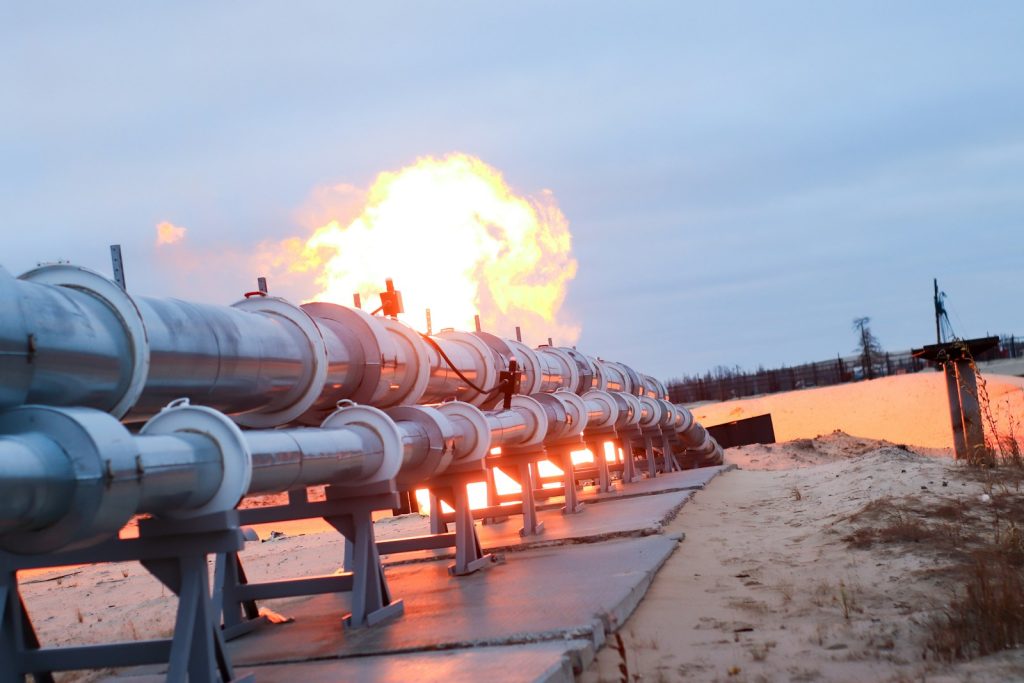
Operating environment significantly influences equipment lifespan. Excessive dust, humidity, or corrosive atmospheres accelerate degradation. Enclosing sensitive equipment in controlled environments extends service life dramatically. Simple measures like weather shelters over outdoor motors or heated enclosures for instruments in cold climates prevent many failures. Maintaining proper ventilation prevents heat buildup that degrades lubricants and electrical insulation. Air filtration systems protect precision machinery from abrasive particles. Corrosion prevention through protective coatings, cathodic protection, or environmental control pays dividends for equipment exposed to aggressive conditions. Regular cleaning removes accumulated deposits that trap moisture and accelerate corrosion. The return on investment for environmental controls often appears within three to five years through extended component life and reduced repair frequency. Maintaining industrial equipment for peak performance and longevity means addressing both the machines themselves and the conditions under which they operate.
